

 + 91-9999539606


 SHOP

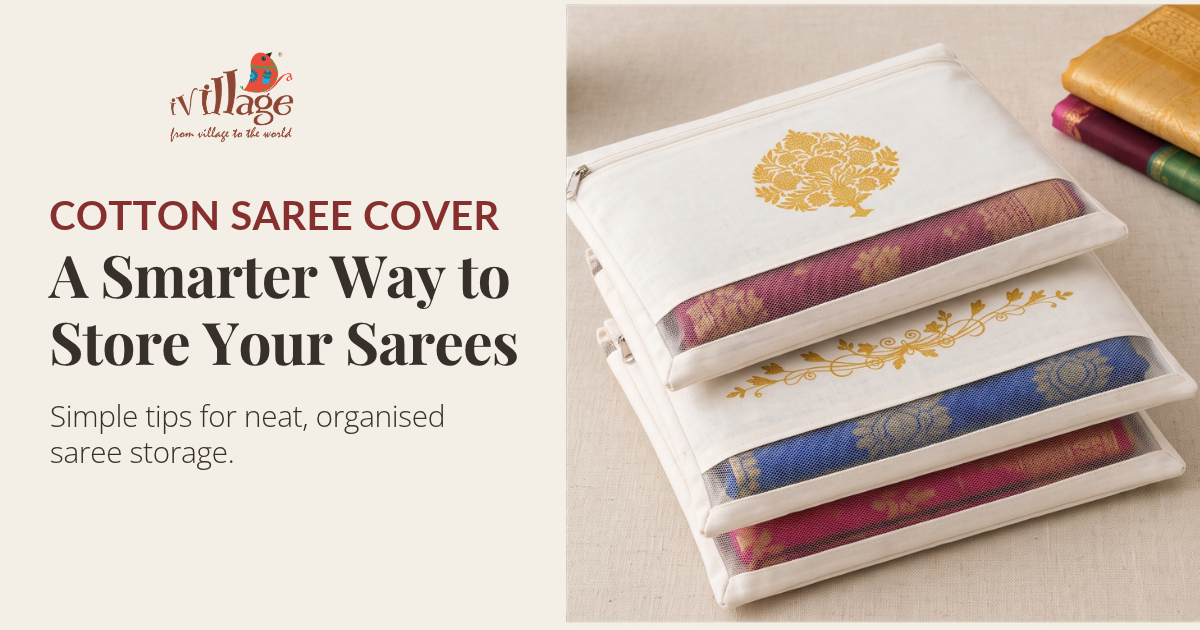
Sarees are often treasured for years, whether they are worn regularly, saved for weddings or kept for special occasions. However, storing them without proper organisation can make it difficult to find the right saree when needed. Dust, moisture and overcrowded wardrobes can also affect how well your clothes are maintained.
Choosing suitable Cotton Saree Cover Bags and following a few simple storage practices can help keep your collection organised and easier to access. From selecting the right material to preparing sarees before storing them, here is a practical guide to maintaining your wardrobe.
Why Is Proper Saree Storage Important?
Sarees come in different fabrics, including cotton, silk, georgette and chiffon. Each fabric may require slightly different care, particularly when it comes to folding, cleaning and long-term storage.
A well-organised wardrobe can help you:
Keep sarees separated by fabric, colour or occasion.
Reduce direct exposure to dust and everyday handling.
Make it easier to locate specific sarees.
Keep wedding and festive outfits organised between occasions.
Use wardrobe space more efficiently.
The right storage method depends on the fabric, the frequency of use and the conditions in your wardrobe.
How to Choose the Right Saree Cover Bag
A saree cover bag should suit the saree you plan to store and the space available in your wardrobe. Before purchasing one, consider these factors.
1. Choose a Suitable Material
Cotton covers are a practical option for everyday wardrobe organisation. They are reusable and can be washed according to their care instructions. For sarees that need additional protection, choose a cover designed for the fabric and storage conditions.
Silk sarees may require extra care. Avoid storing them while damp, and follow the fabric's specific care recommendations.
2. Check the Size and Closure
Choose a cover that accommodates the folded saree without forcing it inside. A zip or button closure can help keep the contents together and make handling easier.
If you own several sarees, consider using similar-sized covers so they can be arranged neatly on a shelf.
3. Consider Visibility and Organisation
Transparent panels or mesh sections can make it easier to identify stored garments without opening every cover. Alternatively, label opaque covers with the saree type or occasion.
This is particularly useful for households with wedding outfits, festive clothing and sarees that are worn only occasionally.
Five Tips for Better Saree Storage
1. Clean Sarees Before Storing Them
Make sure each saree is clean and completely dry before putting it away. Follow the care label, especially for delicate silk, embellished or zari-work sarees.
2. Fold Carefully
Fold sarees gently, avoiding unnecessary pressure on embroidery, embellishments or delicate borders. Refold stored sarees periodically if they remain unused for long periods.
3. Keep the Wardrobe Dry
Moisture can lead to unpleasant odours and damage to fabrics. Keep your wardrobe dry and well ventilated, and check stored garments occasionally.
4. Separate Sarees by Occasion
Keep everyday sarees separate from wedding and festive collections. Grouping garments by occasion, fabric or colour makes them easier to find when dressing for an event.
5. Review Your Collection Periodically
Take out stored sarees occasionally to inspect their condition. Check for moisture, insects or other signs of damage, and address any issues before returning them to storage.
Cotton Saree Storage Bags for Everyday Organisation
For households looking to organise multiple sarees, cotton covers offer a reusable option for keeping garments grouped and arranged. They can be particularly useful when preparing a wardrobe for a wedding, festive season or a change of season.
IVillage A Family offers Cotton Saree Covers in a pack of 12, designed for organising sarees in your wardrobe. You can explore the product details, available features and care information.
Choose storage covers based on your wardrobe requirements and the care needs of your sarees. Remember that a fabric cover helps with organisation, but it does not replace proper cleaning, moisture control or fabric-specific care.
Conclusion
Keeping sarees organised starts with choosing suitable covers and maintaining a clean, dry wardrobe. By folding garments carefully, grouping them by occasion and checking them periodically, you can make your collection easier to manage.
If you are organising several sarees at once, explore IVillage A Family's cotton saree covers in a pack of 12 to find out whether they suit your wardrobe storage needs.
Frequently Asked Questions
Are cotton covers suitable for storing sarees?
Cotton covers can be suitable for wardrobe organisation when the sarees are clean and completely dry. Always consider the fabric's care requirements and the storage environment.
How should I store silk sarees for a long time?
Follow the manufacturer's care instructions, ensure the sarees are clean and dry, avoid damp storage conditions, and inspect them periodically. Delicate or valuable silk sarees may benefit from professional storage advice.
How can I organise multiple sarees in a small wardrobe?
Use similarly sized covers, group sarees by occasion or fabric, fold them carefully and arrange them on shelves without overcrowding. Labels can help you identify each cover quickly.
Can I wash reusable cotton saree covers?
Check the product's care instructions before washing. Use a suitable washing method and allow the covers to dry completely before using them again.


